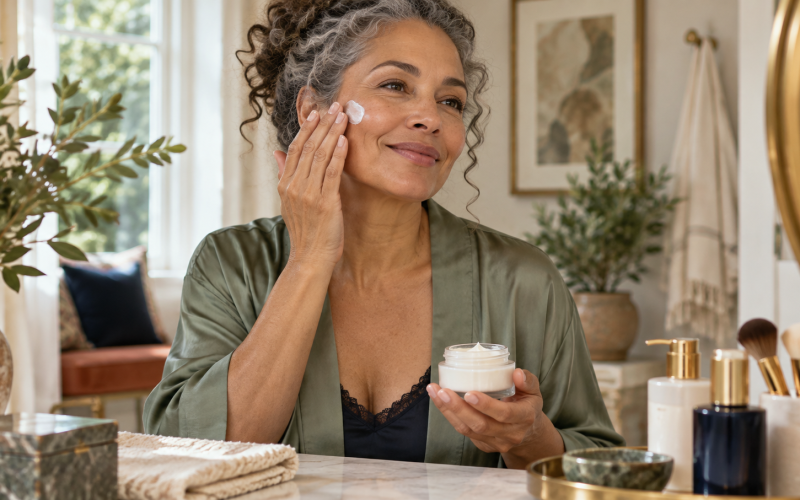
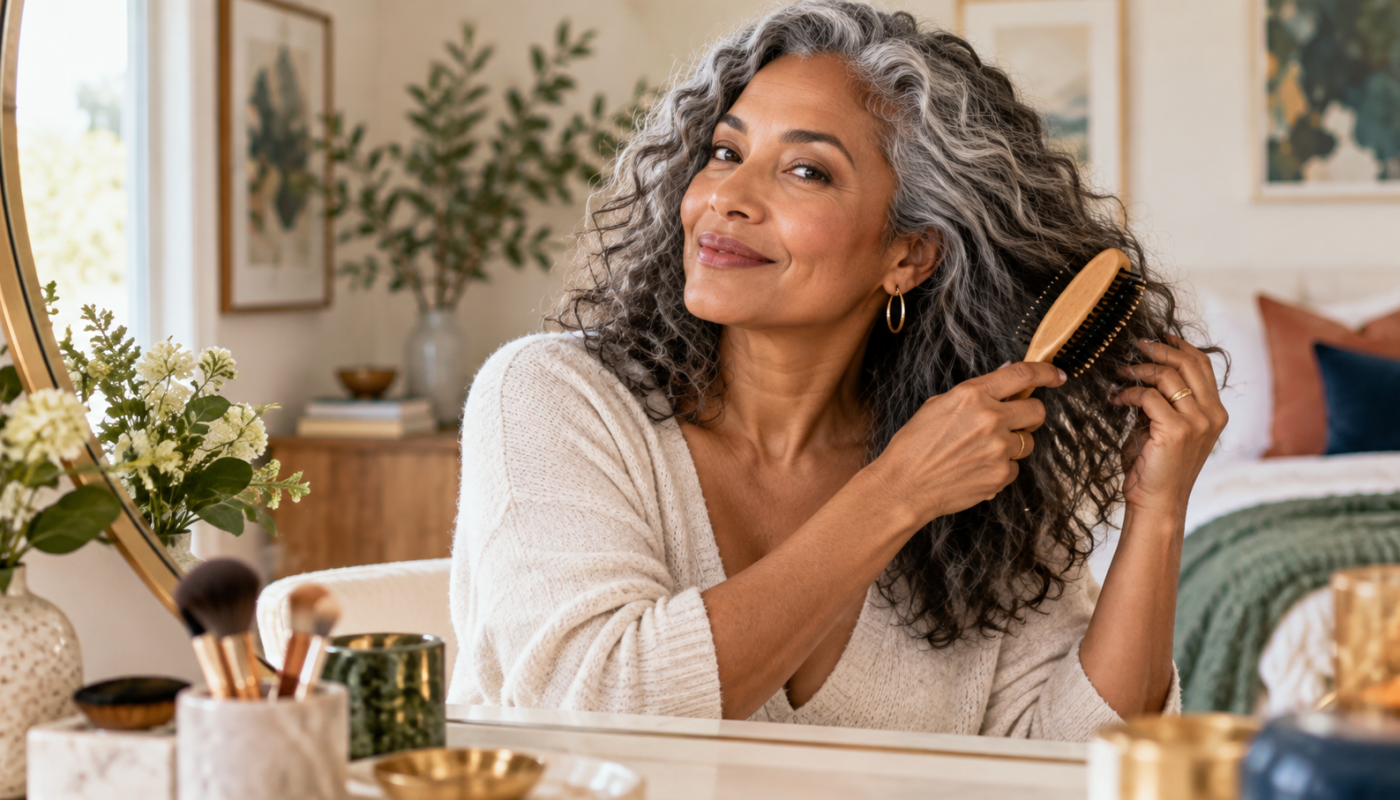
Hair care in midlife often comes with new questions. Perhaps your hair feels drier than it did a decade ago, your part looks different, or a familiar styling routine no longer gives the same result. There is no universal age-related hair type, and hair texture varies widely among individuals. The better approach is to notice what your scalp and strands need today, then build a routine that is comfortable, practical, and gentle enough to maintain over time.
Start with your scalp, not a fashionable shampoo
The purpose of shampoo is primarily to clean the scalp. Your ideal washing schedule depends on how much oil your scalp produces, your hair texture, your activities, and the styling products you use. A person with a very oily scalp may prefer more frequent washing, while someone with dry or textured hair may need a different schedule. There is no magical number of days between washes that works for everyone.
Massage shampoo gently into the scalp with your fingertips and let the rinse water carry it through the lengths. Avoid rough scrubbing, which can encourage tangles and breakage. If a product consistently causes itching, burning, or visible irritation, stop using it. Persistent scalp symptoms or noticeable hair loss deserve advice from a dermatologist rather than a long series of new online purchases.
Condition the parts of your hair that need it
Conditioner can help reduce friction and make detangling easier. Apply it according to the product directions, paying special attention to the sections that feel dry. For many people, the midlengths and ends need more conditioning than the roots. Curly and coily textures may benefit from different formulas or techniques than fine straight hair. A leave-in product can be useful for some hair types, but it is not automatically necessary if your regular conditioner already makes the hair manageable.
Be gentle while drying. Press or wrap with a soft towel instead of rubbing vigorously, and detangle carefully. Wide-tooth combs work well for many textures, but the best method can differ depending on whether hair is straight, curly, or tightly coiled. If your hair is prone to breakage, take a few extra minutes rather than tugging through knots.
Reduce damage from heat and tension
Frequent high heat and tight hairstyles can be hard on hair. Consider lowering the temperature of your blow dryer or styling iron, allowing hair to air-dry when practical, and varying hairstyles that pull firmly on the same areas. The American Academy of Dermatology’s everyday hair-care resources explain why washing, conditioning, and styling habits matter.
You do not have to stop coloring or styling your hair to care for it well. Instead, pay attention to how it responds. If it becomes brittle after several chemical services, discuss spacing treatments or choosing gentler techniques with a qualified stylist. A sensible haircut can also reduce the time and effort required every morning. Convenience is an important part of a routine that works in real life.
Think carefully before buying hair-growth products
A shampoo that adds temporary volume is different from a treatment for a medical cause of hair loss. Product marketing sometimes blurs that distinction. Do not assume that a supplement, serum, or online device can reverse thinning simply because a testimonial features impressive before-and-after photographs. Hair loss can have many causes, and the appropriate response depends on the underlying reason.
If you notice a suddenly widening part, patches of hair loss, rapid shedding, or scalp symptoms, consider consulting a board-certified dermatologist. The AAD outlines numerous causes of hair loss, underscoring why an individualized evaluation matters. Self-treating with several expensive products at once can cost money without addressing the issue.
Build a weekly routine around your life
Begin by choosing a wash schedule based on how your scalp and hair actually feel. Use conditioner each time you shampoo if it suits your hair. Set aside a few minutes for gentle detangling and keep heat styling to a level that leaves your hair comfortable. If you enjoy a weekly deep-conditioning session, continue it when it seems beneficial, but do not treat it as a mandatory purchase.
Take note of ordinary factors such as swimming, dry weather, changes in styling, and new products. These observations help you separate temporary issues from persistent concerns. A small notebook or phone note can be more helpful than collecting dozens of half-used bottles. When assessing any change, remember that hair grows gradually and dramatic short-term promises are often unrealistic.
Shop for function rather than a miracle
Compare products by how well they meet a specific need: a cleanser that leaves your scalp comfortable, a conditioner that makes detangling easier, or a styling product that provides the hold you prefer without irritation. Check the cost per ounce, return policy, and whether a so-called trial automatically becomes a subscription. Expensive products are not automatically better suited to your hair than affordable ones.
A satisfying midlife hair routine should make getting ready easier, not create anxiety about looking younger. Healthy-looking hair comes in many colors, lengths, and textures. Whether you choose to embrace gray strands, color them, wear a close crop, or grow your hair long, a gentle routine and realistic expectations provide a much better foundation than chasing every beauty trend.
Editorial note: This article provides general care information, not a diagnosis or treatment recommendation for hair loss.